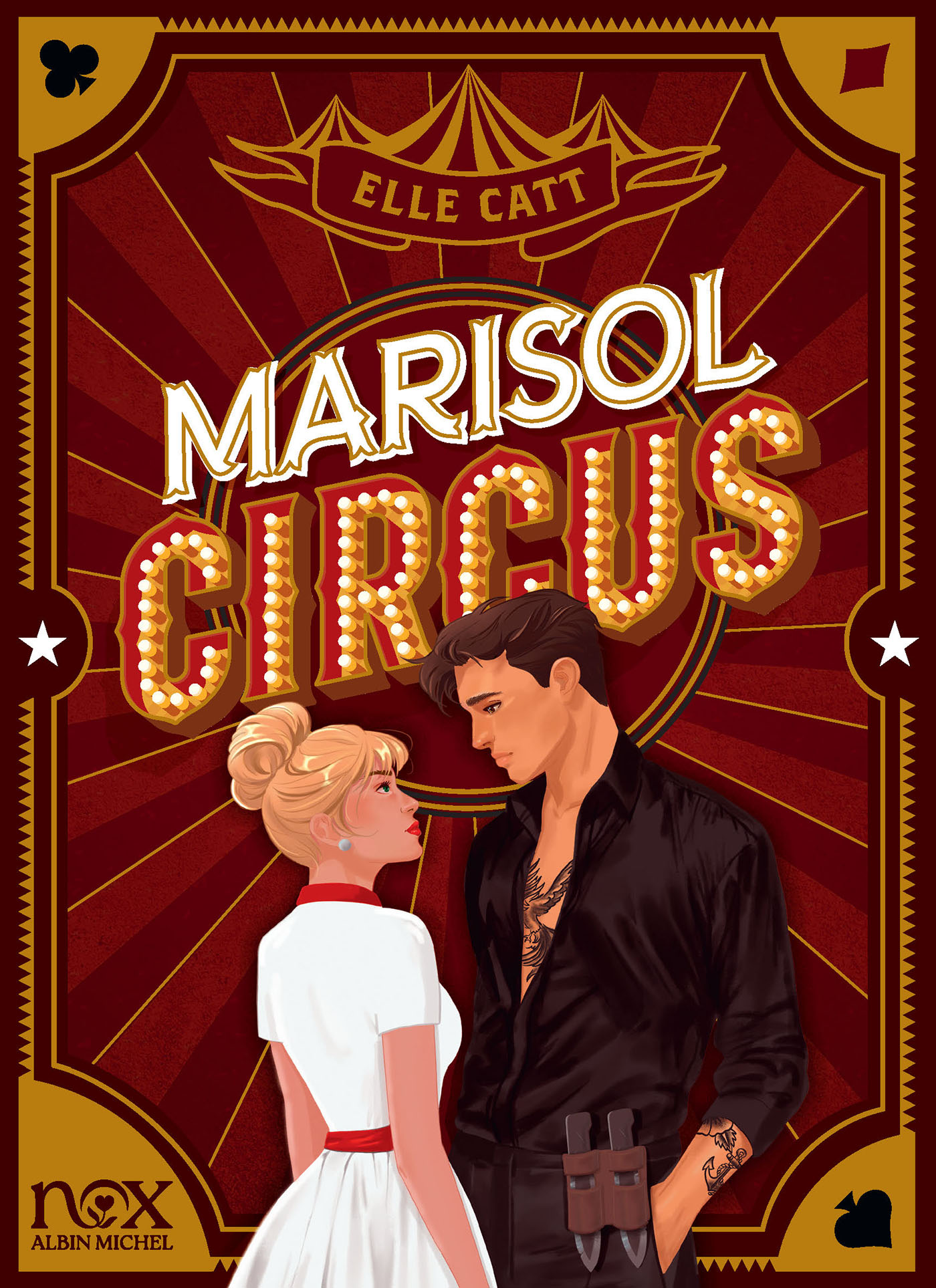
Marisol Circus de Elle Catt est une romance narratif, avec les tropes confrontation, protection, observation.Marisol Circus by Elle Catt is a Narrative romance, featuring the tropes Confrontation.Marisol Circus de Elle Catt es una novela romántica Narrativa, con los tropes confrontación.Marisol Circus von Elle Catt ist ein Erzählung-Liebesroman, mit den Tropes Konfrontation.
🔥17 lecteurs sur Booknode17 readers on Booknode17 lectores en Booknode17 Leser auf Booknode
🔥Imaginez ce chapitre - pas juste lu, mais ressenti. Sur Ember Read, votre objet intime connecté vibre au rythme de chaque montée de tension.Picture this chapter - not just read, but felt. On Ember Read, your connected intimate device pulses in sync with every rising tension.Imagina este capitulo, no solo leido sino sentido. En Ember Read, tu objeto íntimo conectado vibra al ritmo de cada subida de tension.Stell dir dieses Kapitel vor - nicht nur gelesen, sondern gefuehlt. Auf Ember Read pulsiert dein vernetztes intimes Gerät im Rhythmus jeder Spannung.
Est-ce qu'il t'est déjà arrive de tomber sur un livre dont l'univers est tellement particulier que tu ne sais plus si tu lis un roman ou si tu es en train de regarder un spectacle vivant à travers les pages ? C'est exactement ce qui m'est arrive avec Marisol Circus d'Elle Catt. Quand j'ai ouvert ce bouquin, je m'attendais à une histoire de romance un peu classique, peut-être pimentee par un décor original. Ce que j'ai trouve à la place, c'est un récit tendu comme un fil de funambule, avec des personnages qui se jaugent, se defient et se protegent dans un monde de paillettes, de sciure et de secrets bien gardes. Un cirque itinerant, des confrontations a couper le souffle, une galerie de personnages fascinants et une ambiance qui ne ressemble a rien de ce que j'avais lu avant. Ce n'est pas le genre de livre qui te prend par la main doucement. C'est celui qui t'attrape par le col et te tire sous le chapiteau avant même que tu aies eu le temps de protester. Alors, prete a entrer en piste ? Installe-toi, je te raconte tout.
📖 De quoi ça parle
Marisol Circus nous plonge dans l'univers d'un cirque itinerant ou rien n'est tout a fait ce qu'il semble être. Derrière les numéros spectaculaires et les costumes eclatants, il y a une troupe soudee par des liens aussi solides que fragiles, des rivalites souterraines et un homme qui regne sur tout ça d'une main de fer. Vargas, c'est le maître de piste, celui que tout le monde craint ou admire, parfois les deux en même temps. Il incarne une figure de pouvoir aussi magnetique que dangereuse, et l'histoire va rapidement nous montrer que son emprise sur la troupe commence a se fissurer.
Au cœur de cette mecanique qui se deregle, il y a Debbie. Elle debarque dans cet univers avec un regard neuf, mais aussi avec une détermination qui va bousculer l'ordre etabli. Sa confrontation avec Vargas est le fil rouge du roman, et Elle Catt prend le temps de construire cette tension crescendo, chapitre après chapitre. On sent que chaque mot échange entre eux est un coup porte, une tentative de destabiliser l'autre, et c'est absolument prenant.
Autour d'eux gravitent Caesar, Viridiana, Jaaziel et la mystérieuse Marisol, dont le cirque porte le nom sans qu'on comprenne tout de suite pourquoi. Chaque membre de la troupe à son propre vecu, ses propres zones d'ombre, et l'autrice les utilise habilement pour tisser un récit choral ou les regards et les silences comptent autant que les dialogues. Le décor du cirque n'est pas un simple accessoire : il est un personnage a part entière, avec ses odeurs de sciure, ses toiles tendues dans la nuit et cette atmosphère un peu hors du temps qui donne au roman une texture particulière.
L'enjeu central tourne autour de la chute de Vargas. L'homme qui tenait tout le monde sous sa coupe va être pousse dans ses retranchements, et la question qui traverse le livre est simple : que se passe-t-il quand celui qui contrôle tout perd le contrôle ? C'est une question universelle, mais placee dans ce cadre circassien, elle prend une dimension presque theatrale. Le cirque est un monde clos, un microcosme ou les rapports de force sont amplifies par la promiscuite et par cette nécessité de faire corps pour que le spectacle continue. Quand le chef vacille, c'est toute la structure qui menace de s'effondrer, et chaque personnage doit choisir son camp. L'autrice gere cette montée en pression avec une maîtrise remarquable, dosant les révélations et les retournements pour maintenir le lecteur en haleine.
👥 Les personnages
Debbie est sans doute le personnage qui m'à le plus marquee dans cette lecture. Elle n'est pas une héroïne flamboyante ou particulièrement badass au sens ou on l'entend souvent dans les romances contemporaines. Elle ne fait pas de grandes déclarations, elle ne casse rien, elle ne hurle pas sa colère au visage du monde. Ce qui la rend absolument fascinante, c'est son calme apparent, cette capacité a observer avant d'agir, a prendre la mesure de chaque situation avec une patience redoutable avant de frapper exactement la ou ça fait mal. Quand elle se dresse face à Vargas et lui lance cette phrase qui resonne longtemps après la lecture, on comprend qu'elle a muri sa strategie bien avant que lui ne la prenne au sérieux. Elle est le genre de personnage qu'on sous-estime à ses risques et perils, et c'est précisément ce qui la rend si efficace dans le récit. Tu ne peux pas t'empecher de l'admirer, même quand tu ne sais pas encore exactement ou elle veut en venir.
Vargas, de son cote, est un antagoniste bien plus complexe qu'il n'y paraît. Il n'est pas le mechant unidimensionnel qu'on aime détester sans nuance. Il y a chez lui une forme de grandeur tragique, celle d'un homme qui a porte ce cirque a bout de bras pendant des années mais qui refuse de voir que les fondations s'effritent sous ses pieds. Il est à la fois terrifiant et pathetique, autoritaire et vulnerable. Sa relation avec la troupe est un melange toxique de loyaute forcee et de véritable dévotion de la part de certains qui ne connaissent rien d'autre que sa loi, et c'est ce qui rend sa chute à la fois inévitable et presque triste.
Caesar occupe une place a part dans cette dynamique, et c'est peut-être le personnage qui donne au roman sa chaleur humaine. C'est le protecteur, celui qui se met entre Debbie et le danger sans hesiter, celui dont les gestes parlent plus fort que les mots. Son instinct de protection n'est jamais lourd ou paternaliste, il ne cherche pas a sauver Debbie parce qu'il la considere comme fragile, il le fait parce que c'est dans sa nature profonde, parce qu'il ne supporte pas l'injustice. Cette distinction est importante et Elle Catt la manie avec finesse. La complicité qui se developpe entre lui et Debbie est un des fils les plus agreables du roman, fait de regards entendus, de silences complices et de cette confiance qui se construit geste après geste. On aimerait en savoir tellement plus sur son passe, sur ce qui l'a amene au cirque, sur les cicatrices qu'il porte, et c'est peut-être l'un des regrets qu'on peut avoir à la fin de la lecture : le sentiment que certains personnages secondaires meriteraient leur propre histoire.
Il faut aussi mentionner Viridiana et Jaaziel, qui apportent chacun une couleur différente au récit. Viridiana observe tout en retrait, comme si elle gardait en elle un savoir que les autres n'ont pas encore decouvert. Jaaziel incarne une loyaute silencieuse qui interroge : jusqu'ou suit-on quelqu'un quand on commence a douter de lui ? Et puis il y a Marisol elle-même, ce fantôme qui plane sur le cirque sans avoir besoin d'apparaître physiquement. Le mystère qui l'entoure est un des moteurs discrets du récit.
❤ Ce qu'on a aimé
Le premier point fort de Marisol Circus, c'est incontestablement son ambiance. Elle Catt à un vrai talent pour l'immersion sensorielle. Des les premières pages, tu sens la tension qui regne sous le chapiteau, tu entends le murmure des acrobates qui s'echauffent dans la penombre, tu percois le craquement de la sciure sous les pas. L'autrice ne se contente pas de decrire un cirque, elle te fait vivre le cirque. C'est une écriture très visuelle, presque cinematographique, et c'est ce qui donne au roman cette qualité immersive qui le distingue de beaucoup d'autres livres dans le genre.
Le deuxième point fort, ce sont les confrontations. Elle Catt excelle dans les scènes de tension verbale. Les échanges entre Debbie et Vargas sont charges d'une electricite palpable, et chaque dialogue est cisele comme un numéro de haute voltige. Le moment où Debbie dit a Vargas, "Plus personne ne te suivra. Tu es seul, désormais.", c'est un instant qui te donne des frissons. Pas parce que c'est violent ou spectaculaire, mais parce que c'est vrai, et parce que les deux personnages le savent. Cette phrase resume a elle seule toute la dynamique de pouvoir du roman, et elle frappe d'autant plus fort qu'elle arrive au moment exact ou Vargas commence a réaliser qu'il a perdu la partie.
Le troisième point, c'est le thème de l'observation qui traverse tout le roman comme un fil invisible. Tout le monde regarde tout le monde dans ce cirque. Les personnages secondaires ne sont jamais vraiment en retrait, ils observent, ils jugent, ils attendent leur moment. Chaque confrontation à ses temoins, chaque décision est pesee sous le poids de dizaines de regards. Cette presence constante du regard collectif cree une pression permanente qui fait monter la tension d'un cran à chaque chapitre. C'est un procede narratif vraiment intelligent, parce qu'il te donne l'impression d'être toi aussi spectatrice de ce drame qui se joue en piste. Tu es assise dans les gradins, tu retiens ton souffle, et tu ne peux pas detourner les yeux. Cette mise en abyme fonctionne parfaitement avec le cadre du cirque, ou le spectacle est partout, tout le temps, même quand les projecteurs sont eteints.
🔥 Le spice level
Soyons honnêtes : si tu viens chercher du spice dans Marisol Circus, tu vas rester sur ta faim. Ce roman ne contient aucune scène intime, pas de tension sexuelle explicite, pas de slow burn qui debouche sur des pages brulantes. C'est un choix delibere de l'autrice, et il faut le respecter, mais je serais malhonnete si je ne disais pas que ça m'à un peu frustree. La dynamique entre Debbie et Caesar avait tout le potentiel pour donner quelque chose de vraiment électrique sur le plan romantique, et cette dimension reste inexploitee.
Cela dit, il y a une autre forme de tension dans ce livre qui compense en partie. La tension des confrontations, la façon dont les personnages se cherchent du regard, se defient, se protegent, tout cela cree une intimité émotionnelle qui a sa propre intensité. Ce n'est pas du spice, mais c'est vibrant quand même. Si tu es le genre de lectrice qui apprecie les romans ou la charge émotionnelle passe par les mots et les actes plutôt que par le physique, tu trouveras ton compte. Mais si tu veux du piquant, ce n'est clairement pas ici que ça se passe.
⚠ Le petit bémol
Mon principal reproche a Marisol Circus, c'est sa previsibilite. L'arc narratif de la chute de Vargas se dessine assez tôt dans le récit, et même si l'execution est soignee, on voit venir la fin bien avant qu'elle n'arrive. Des le premier tiers du roman, tu devines ou tout ça va mener, et le reste du chemin confirme tes intuitions sans jamais vraiment les bousculer. J'aurais aime qu'Elle Catt prenne plus de risques dans sa construction narrative, qu'elle nous surprenne avec un retournement qu'on n'avait absolument pas anticipe, quelque chose qui nous fasse lâcher le livre et dire "non, sérieusement ?". Le roman avance avec une belle regularite, mais cette regularite devient parfois un peu trop confortable, un peu trop sage. On tourne les pages avec plaisir sans jamais vraiment avoir le cœur qui s'accelere de surprise. C'est bien fait, c'est indéniablement solide dans sa construction, mais il manque ce petit grain de folie, cette etincelle d'audace qui aurait pu transformer un bon roman en un grand roman, celui dont on parle encore des mois après l'avoir referme.
⭐ Verdict final
Marisol Circus est un roman atmospherique qui vaut clairement le detour pour son décor unique, la qualité de ses confrontations et la densite de ses personnages. Si tu cherches une lecture immersive avec des figures complexes et un univers qui sort complètement de l'ordinaire, fonce sans hesiter. C'est le genre de livre parfait pour un dimanche pluvieux d'automne, quand tu veux te laisser emporter dans un monde différent, sentir l'odeur de la sciure et la chaleur des projecteurs, sans forcement avoir besoin de scènes torrides pour rester captivee. Je le recommande chaleureusement aux lectrices qui apprecient les récits chorals, les dynamiques de pouvoir et les ambiances un peu theatrales ou chaque geste compte. En revanche, si tu ne jures que par les romances epicees et que tu as besoin de tension charnelle pour tourner les pages, ce n'est probablement pas celui qu'il te faut cette fois. Note finale : 3 sur 5, pour un roman qui fait bien ce qu'il promet, même si on aurait secrètement aime qu'il ose promettre un peu plus.
💡 Si tu as aimé, tu vas adorer
Si l'univers du cirque t'a seduite, je te conseille vivement The Night Circus d'Erin Morgenstern, un classique qui mele magie et romance dans un décor circassien envoûtant. C'est plus fantaisiste, mais l'ambiance immersive est du même calibre. Pour retrouver cette tension entre personnages et ces jeux de pouvoir, tourne-toi vers The Shadows Between Us de Traci Loudin, ou une héroïne calculatrice se frotte à un homme dangereux dans un ballet de manipulation. Et si c'est le cote choral et l'observation mutuelle qui t'ont plu, Les Funambules de Mohammed Aissaoui te plaira avec sa galerie de portraits croises et son regard tendre mais lucide sur les liens humains.
Our full review
Have you ever stumbled upon a book whose world is so distinctive that you can't tell if you're reading a novel or watching a live performance through the pages? That's exactly what happened to me with Marisol Circus by Elle Catt. When I cracked this book open, I was expecting a fairly classic romance story, maybe spiced up by an original setting. What I found instead was a narrative taut as a tightrope, with characters who size each other up, challenge one another and protect each other in a world of glitter, sawdust and closely guarded secrets. A traveling circus, breathtaking confrontations, a fascinating cast of characters and an atmosphere unlike anything I'd ever read before. This isn't the kind of book that takes you gently by the hand. It's the kind that grabs you by the collar and drags you under the big top before you've even had time to protest. So, ready to step into the ring? Settle in, I'm telling you everything.
📖 What it's about
Marisol Circus plunges us into the world of a traveling circus where nothing is quite what it seems. Behind the spectacular acts and dazzling costumes lies a troupe bound together by ties that are as strong as they are fragile, simmering rivalries and a man who rules over it all with an iron fist. Vargas is the ringmaster, the one everyone fears or admires, sometimes both at once. He embodies a figure of power that's as magnetic as it is dangerous, and the story quickly shows us that his grip on the troupe is beginning to crack.
At the heart of this unraveling machine is Debbie. She arrives in this world with fresh eyes but also with a determination that's going to shake up the established order. Her confrontation with Vargas is the central thread of the novel, and Elle Catt takes the time to build this tension in a crescendo, chapter after chapter. You can feel that every word exchanged between them is a blow struck, an attempt to throw the other off balance, and it's absolutely gripping.
Orbiting around them are Caesar, Viridiana, Jaaziel and the mysterious Marisol, whose name the circus bears without us immediately understanding why. Each member of the troupe has their own past, their own dark corners, and the author uses them skillfully to weave a choral narrative where glances and silences carry as much weight as dialogue. The circus setting isn't just a backdrop: it's a character in its own right, with its sawdust smell, its canvas stretched taut against the night sky and that slightly timeless atmosphere that gives the novel a unique texture.
The central stakes revolve around Vargas's fall. The man who held everyone under his thumb is going to be pushed to his limits, and the question running through the book is simple: what happens when the person who controls everything loses control? It's a universal question, but placed within this circus setting, it takes on an almost theatrical dimension. The circus is a closed world, a microcosm where power dynamics are amplified by the close quarters and the necessity of coming together to keep the show going. When the leader falters, the entire structure threatens to collapse, and every character must choose a side. The author manages this mounting pressure with remarkable mastery, carefully timing revelations and twists to keep the reader on the edge of their seat.
👥 The characters
Debbie is probably the character who left the strongest impression on me in this read. She's not a flashy heroine or particularly badass in the way we often see in contemporary romance. She doesn't make grand declarations, she doesn't break things, she doesn't scream her anger at the world. What makes her absolutely fascinating is her apparent calm, that ability to observe before acting, to take the measure of every situation with formidable patience before striking exactly where it hurts. When she stands up to Vargas and delivers a line that resonates long after you've finished reading, you realize she'd been working out her strategy long before he ever took her seriously. She's the kind of character you underestimate at your own peril, and that's precisely what makes her so effective in the story. You can't help but admire her, even when you don't yet know exactly where she's heading.
Vargas, for his part, is a far more complex antagonist than he appears. He's not the one-dimensional villain you love to hate without nuance. There's a kind of tragic grandeur about him, that of a man who carried this circus on his shoulders for years but refuses to see the foundations crumbling beneath his feet. He's both terrifying and pathetic, authoritarian and vulnerable. His relationship with the troupe is a toxic mix of forced loyalty and genuine devotion from those who know nothing beyond his rule, and that's what makes his fall both inevitable and almost sad.
Caesar occupies a special place in this dynamic, and he's perhaps the character who gives the novel its human warmth. He's the protector, the one who steps between Debbie and danger without hesitation, the one whose actions speak louder than words. His protective instinct is never heavy-handed or patronizing; he doesn't try to save Debbie because he sees her as fragile, he does it because it's in his very nature, because he can't stand injustice. That distinction matters and Elle Catt handles it with finesse. The bond that develops between him and Debbie is one of the most enjoyable threads in the novel, built on knowing looks, companionable silences and a trust that grows gesture by gesture. You'd love to know so much more about his past, about what brought him to the circus, about the scars he carries, and that's perhaps one of the regrets you might have when you finish reading: the feeling that some secondary characters deserved their own story.
We should also mention Viridiana and Jaaziel, who each bring a different shade to the narrative. Viridiana watches everything from the sidelines, as though she holds knowledge the others haven't yet uncovered. Jaaziel embodies a silent loyalty that raises questions: how far do you follow someone when you start to doubt them? And then there's Marisol herself, that ghost hovering over the circus without ever needing to physically appear. The mystery surrounding her is one of the story's quiet driving forces.
❤ What we loved
The first standout quality of Marisol Circus is unquestionably its atmosphere. Elle Catt has a real gift for sensory immersion. From the very first pages, you can feel the tension reigning under the big top, you can hear the murmur of acrobats warming up in the shadows, you can sense the crunch of sawdust underfoot. The author doesn't just describe a circus, she makes you live the circus. It's highly visual writing, almost cinematic, and that's what gives the novel an immersive quality that sets it apart from many other books in the genre.
The second strength is the confrontations. Elle Catt excels at scenes of verbal tension. The exchanges between Debbie and Vargas are charged with palpable electricity, and every dialogue is crafted with the precision of a high-wire act. The moment when Debbie tells Vargas, "Plus personne ne te suivra. Tu es seul, desormais." ("No one will follow you anymore. You're on your own now."), it's a moment that gives you chills. Not because it's violent or spectacular, but because it's true, and because both characters know it. That single line sums up the entire power dynamic of the novel, and it hits all the harder because it arrives at the exact moment when Vargas begins to realize he's lost the game.
The third point is the theme of observation that runs through the entire novel like an invisible thread. Everyone is watching everyone in this circus. The secondary characters are never truly in the background; they observe, they judge, they wait for their moment. Every confrontation has its witnesses, every decision is weighed under the pressure of dozens of gazes. This constant presence of collective watching creates a permanent pressure that ratchets the tension up a notch with each chapter. It's a truly clever narrative device, because it gives you the feeling of being a spectator yourself, watching this drama play out in the ring. You're sitting in the stands, holding your breath, and you can't look away. This mise en abyme works perfectly with the circus setting, where the show is everywhere, all the time, even when the spotlights are off.
🔥 The spice level
Let's be honest: if you're coming to Marisol Circus looking for spice, you're going to be left wanting. This novel contains no intimate scenes, no explicit sexual tension, no slow burn that leads to scorching pages. It's a deliberate choice by the author, and it should be respected, but I'd be dishonest if I didn't say it left me a little frustrated. The dynamic between Debbie and Caesar had all the potential to become something truly electric on the romantic front, and that dimension goes unexplored.
That said, there's another kind of tension in this book that partly makes up for it. The tension of confrontations, the way characters seek each other out with their eyes, challenge each other, protect each other, all of this creates an emotional intimacy that has its own intensity. It's not spice, but it's vibrant all the same. If you're the kind of reader who appreciates novels where the emotional charge comes through words and actions rather than through the physical, you'll find what you're looking for. But if you want heat, this clearly isn't where you'll find it.
⚠ The small downside
My main criticism of Marisol Circus is its predictability. The narrative arc of Vargas's downfall takes shape fairly early in the story, and even though the execution is polished, you can see the ending coming well before it arrives. By the first third of the novel, you can guess where it's all heading, and the rest of the journey confirms your hunches without ever really shaking them up. I wish Elle Catt had taken more risks with her narrative structure, that she'd surprised us with a twist we absolutely hadn't seen coming, something that would make us put the book down and say "no, seriously?" The novel moves along at a nice steady pace, but that steadiness sometimes becomes a little too comfortable, a little too safe. You turn the pages with pleasure without ever really feeling your heart race with surprise. It's well done, undeniably solid in its construction, but it's missing that little touch of madness, that spark of daring that could have turned a good novel into a great one, the kind you're still talking about months after closing it.
⭐ Final verdict
Marisol Circus is an atmospheric novel that's clearly worth your time for its unique setting, the quality of its confrontations and the depth of its characters. If you're looking for an immersive read with complex figures and a world that's completely out of the ordinary, go for it without hesitation. It's the kind of book that's perfect for a rainy autumn Sunday, when you want to be swept away into a different world, smell the sawdust and feel the warmth of the spotlights, without necessarily needing steamy scenes to stay captivated. I warmly recommend it to readers who enjoy choral narratives, power dynamics and slightly theatrical atmospheres where every gesture counts. On the other hand, if you live for spicy romances and need physical tension to keep turning the pages, this probably isn't the one for you this time. Final score: 3 out of 5, for a novel that delivers on its promises, even if we secretly wished it had dared to promise a little more.
💡 If you liked this, you'll love
If the circus world won you over, I highly recommend The Night Circus by Erin Morgenstern, a classic that blends magic and romance in an enchanting circus setting. It's more whimsical, but the immersive atmosphere is on the same level. To find that same character tension and power play, check out The Shadows Between Us by Traci Loudin, where a calculating heroine goes up against a dangerous man in a dance of manipulation. And if it was the choral aspect and mutual observation that appealed to you, Les Funambules by Mohammed Aissaoui will charm you with its gallery of intertwined portraits and its tender yet clear-eyed look at human bonds.
Want to read this book with the spice level displayed in real time? Download Ember Read, the only e-reader that tells you exactly how hot it's going to get.
Nuestra reseña completa
¿Alguna vez te ha pasado que encuentras un libro cuyo universo es tan particular que ya no sabes si estás leyendo una novela o si estás viendo un espectáculo en vivo a través de las páginas? Eso fue exactamente lo que me pasó con Marisol Circus de Elle Catt. Cuando abrí este libro, esperaba una historia de romance un poco clásica, quizás condimentada con un escenario original. Lo que encontré en cambio es un relato tensa como un hilo de equilibrista, con personajes que se miden, se desafían y se protegen en un mundo de purpurina, serrín y secretos bien guardados. Un circo itinerante, enfrentamientos que cortan la respiración, una galería de personajes fascinantes y un ambiente que no se parece a nada de lo que había leído antes. No es el tipo de libro que te toma de la mano suavemente. Es aquel que te agarra del cuello y te arrastra bajo la carpa antes de que hayas tenido tiempo de protestar. Entonces, ¿preparado para entrar en pista? Siéntate, te lo cuento todo.
📖 De qué trata
Marisol Circus nos sumerge en el universo de un circo itinerante donde nada es lo que parece. Detrás de los números espectaculares y los trajes brillantes, hay una compañía unida por lazos fuertes y frágiles, rivalidades subterráneas y un hombre que lo gobierna todo con mano de hierro. Vargas es el maestro de ceremonias, aquel a quien todos temen o admiran, a veces ambos al mismo tiempo. Es una figura de poder tan magnética como peligrosa, y la historia rápidamente nos mostrará que su control sobre la compañía comienza a fracturarse.
En el centro de esta mecánica que se desregula está Debbie. Ella llega a este universo con una mirada nueva, pero también con una determinación que sacudirá el orden establecido. Su confrontación con Vargas es el hilo conductor de la novela, y Elle Catt se toma su tiempo para construir esta tensión creciente, capítulo tras capítulo. Se siente que cada palabra que intercambian es un golpe, un intento de desestabilizar al otro, y es absolutamente cautivador.
A su alrededor giran Caesar, Viridiana, Jaaziel y la misteriosa Marisol, cuyo circo lleva el nombre sin que se entienda de inmediato por qué. Cada miembro del grupo tiene su propia historia, sus propias zonas oscuras, y la autora las utiliza hábilmente para tejer un relato coral en el que las miradas y los silencios cuentan tanto como los diálogos. El escenario del circo no es un simple accesorio: es un personaje de pleno derecho, con sus olores a serrín, sus telas tendidas en la noche y esa atmósfera algo fuera del tiempo que le da al libro una textura particular.
El desafío central gira en torno a la caída de Vargas. El hombre que tenía a todos bajo su control será empujado a sus defensas, y la pregunta que atraviesa el libro es simple: ¿qué sucede cuando quien controla todo pierde el control? Es una pregunta universal, pero colocada en este marco circense, toma una dimensión casi teatral. El circo es un mundo cerrado, un microcosmos donde las relaciones de poder se amplifican por la promiscuidad y por esa necesidad de unirse para que el espectáculo continúe. Cuando el líder vacila, toda la estructura amenaza con derrumbarse, y cada personaje debe elegir su bando. La autora maneja este aumento de presión con una maestría notable, dosificando las revelaciones y los giros para mantener al lector en vilo.
👥 Los personajes
Debbie es sin duda el personaje que más me ha marcado en esta lectura. No es una heroína llamativa o particularmente dura en el sentido en que a menudo se entiende en las novelas románticas contemporáneas. No hace grandes declaraciones, no rompe nada, no grita su ira al mundo. Lo que la hace absolutamente fascinante es su aparente calma, esa capacidad de observar antes de actuar, de medir cada situación con una paciencia extraordinaria antes de golpear exactamente donde duele. Cuando se enfrenta a Vargas y le lanza esa frase que resuena mucho después de la lectura, se entiende que ella ha madurado su estrategia mucho antes de que él la tome en serio. Es el tipo de personaje que subestimas a tus propios riesgos, y es precisamente eso lo que la hace tan efectiva en la historia. No puedes evitar admirarla, incluso cuando aún no sabes exactamente a dónde quiere llegar.
Vargas, por su parte, es un antagonista mucho más complejo de lo que parece. No es el villano unidimensional al que nos gusta odiar sin matices. Hay en él una forma de grandeza trágica, la de un hombre que ha llevado este circo sobre sus hombros durante años pero que se niega a ver cómo las bases se desmoronan bajo sus pies. Es a la vez aterrador y patético, autoritario y vulnerable. Su relación con el grupo es una mezcla tóxica de lealtad forzada y devoción verdadera por parte de algunos que no conocen nada más que su ley, y eso es lo que hace que su caída sea a la vez inevitable y casi triste.
César ocupa un lugar aparte en esta dinámica, y quizás es el personaje que da al libro su calidez humana. Es el protector, aquel que se interpone entre Debbie y el peligro sin dudarlo, aquel cuyos gestos hablan más fuerte que las palabras. Su instinto de protección nunca es pesado o paternalista; no busca salvar a Debbie porque la considere frágil, lo hace porque está en su naturaleza profunda, porque no soporta la injusticia. Esta distinción es importante y Elle Catt la maneja con delicadeza. La complicidad que se desarrolla entre él y Debbie es uno de los hilos más agradables de la novela, hecha de miradas entendidas, silencios cómplices y esa confianza que se construye gesto tras gesto. Uno desearía saber mucho más sobre su pasado, sobre lo que lo llevó al circo, sobre las cicatrices que lleva, y quizás ese sea uno de los arrepentimientos que se pueden tener al final de la lectura: la sensación de que algunos personajes secundarios merecerían su propia historia.
También hay que mencionar a Viridiana y Jaaziel, quienes aportan cada uno una coloración diferente al relato. Viridiana observa desde el margen, como si guardara en sí misma un saber que los demás aún no han descubierto. Jaaziel encarna una lealtad silenciosa que cuestiona: ¿hasta dónde se sigue a alguien cuando se empieza a dudar de él? Y luego está Marisol misma, ese fantasma que planea sobre el circo sin necesidad de aparecer físicamente. El misterio que la rodea es uno de los motores discretos del relato.
❤ Lo que nos encantó
El primer punto fuerte de Marisol Circus es sin duda su atmósfera. Ella tiene un verdadero talento para la inmersión sensorial. Desde las primeras páginas, sientes la tensión que reina bajo la carpa, escuchas el murmullo de los acróbatas que se calientan en la penumbra, percibes el crujido de la serrín bajo los pasos. La autora no se limita a describir un circo, te hace vivir el circo. Es una escritura muy visual, casi cinematográfica, y es lo que da al libro esa calidad inmersiva que lo distingue de muchos otros libros del género.
El segundo punto fuerte son las confrontaciones. Elle Catt destaca en las escenas de tensión verbal. Los intercambios entre Debbie y Vargas están cargados de una electricidad palpable, y cada diálogo está tallado como un número de alto vuelo. El momento en que Debbie le dice a Vargas, "Nadie te seguirá más. Ya estás solo", es un instante que te da escalofríos. No porque sea violento o espectacular, sino porque es cierto, y porque ambos personajes lo saben. Esta frase resume por sí sola toda la dinámica de poder de la novela, y golpea con más fuerza porque llega en el momento exacto en que Vargas comienza a darse cuenta de que ha perdido la partida.
El tercer punto es el tema de la observación que atraviesa toda la novela como un hilo invisible. Todo el mundo observa a todo el mundo en este circo. Los personajes secundarios nunca están realmente al margen, observan, juzgan, esperan su momento. Cada confrontación tiene sus testigos, cada decisión se pesa bajo el peso de decenas de miradas. Esta presencia constante de la mirada colectiva crea una presión permanente que aumenta la tensión un escalón en cada capítulo. Es un recurso narrativo realmente inteligente, porque te da la impresión de ser también espectador de este drama que se desarrolla en pista. Estás sentado en las gradas, conteniendo la respiración, y no puedes apartar la vista. Este juego de espejos funciona perfectamente con el marco del circo, donde el espectáculo está en todas partes, todo el tiempo, incluso cuando los focos están apagados.
🔥 El nivel de spice
Seamos honestos: si vienes buscando picante en Marisol Circus, te quedarás con las ganas. Esta novela no contiene escenas íntimas, ni tensión sexual explícita, ni un slow burn que desemboque en páginas ardientes. Es una elección deliberada de la autora, y hay que respetarla, pero sería deshonesta si no dijera que me ha decepcionado un poco. La dinámica entre Debbie y Caesar tenía todo el potencial para ofrecer algo realmente eléctrico a nivel romántico, y esa dimensión queda sin explotar.
Dicho esto, hay otra forma de tensión en este libro que compensa en parte. La tensión de los enfrentamientos, la forma en que los personajes se miran, se desafían, se protegen, todo eso crea una intimidad emocional que tiene su propia intensidad. No es picante, pero sí vibrante. Si eres el tipo de lectora que disfruta de las novelas donde la carga emocional pasa más por las palabras y los actos que por lo físico, encontrarás tu cuenta. Pero si quieres picardía, claramente no es aquí donde está.
⚠ El pequeño pero
Mi principal crítica a Marisol Circus es su previsibilidad. El arco narrativo de la caída de Vargas se delinea bastante temprano en el relato, y aunque la ejecución es cuidada, vemos el final mucho antes de que llegue. Desde el primer tercio de la novela, adivinas a dónde nos llevará todo esto, y el resto del camino confirma tus intuiciones sin realmente desafiarlas. Me hubiera gustado que Elle Catt tomara más riesgos en su construcción narrativa, que nos sorprendiera con un giro que no hubiéramos anticipado absolutamente nada, algo que nos hiciera soltar el libro y decir "no, ¿en serio?". La novela avanza con una buena regularidad, pero esta regularidad a veces se vuelve un poco demasiado cómoda, un poco demasiado sabia. Volteamos las páginas con placer sin que nuestro corazón realmente acelere de sorpresa. Está bien hecho, es indiscutiblemente sólido en su construcción, pero le falta esa pequeña pizca de locura, esa chispa de audacia que podría haber transformado una buena novela en una gran novela, aquella de la que aún se habla meses después de cerrarla.
⭐ Veredicto final
El circo de Marisol es una novela atmosférica que sin duda vale la pena por su escenario único, la calidad de sus enfrentamientos y la profundidad de sus personajes. Si buscas una lectura inmersiva con figuras complejas y un universo completamente fuera de lo común, no dudes en lanzarte a ella. Es el tipo de libro perfecto para un domingo lluvioso de otoño, cuando quieres dejarte llevar a un mundo diferente, sentir el olor de la serrín y el calor de los focos, sin necesidad de escenas candentes para seguir cautivada. Lo recomiendo encarecidamente a las lectoras que aprecian relatos corales, dinámicas de poder y atmósferas algo teatrales donde cada gesto cuenta. Por otro lado, si solo juras por las romances picantes y necesitas tensión carnal para seguir leyendo, probablemente este no sea el libro adecuado para ti esta vez. Nota final: 3 sobre 5, para una novela que cumple bien lo que promete, aunque secretamente habríamos querido que se atreviera a prometer un poco más.
💡 Si te gustó, te encantará
Si el mundo del circo te ha seducido, te recomiendo encarecidamente The Night Circus de Erin Morgenstern, un clásico que mezcla magia y romance en un escenario circense cautivador. Es más fantasioso, pero la atmósfera inmersiva es del mismo calibre. Para encontrar esa tensión entre personajes y esos juegos de poder, ve hacia The Shadows Between Us de Traci Loudin, donde una heroína calculadora se enfrenta a un hombre peligroso en un ballet de manipulación. Y si lo que te gustó fue el lado coral y la observación mutua, Les Funambules de Mohammed Aissaoui te gustará con su galería de retratos cruzados y su mirada tierna pero lúcida sobre los vínculos humanos.
Unsere vollständige Rezension
Ist es dir schon einmal passiert, auf ein Buch zu stoßen, dessen Welt so besonders ist, dass du nicht mehr weißt, ob du einen Roman liest oder durch die Seiten hindurch ein Live-Spektakel anschaust? Genau das ist mir mit Marisol Circus von Elle Catt passiert. Als ich dieses Buch öffnete, erwartete ich eine etwas klassische Liebesgeschichte, vielleicht gewürzt mit einem originellen Dekor. Was ich stattdessen fand, war eine Geschichte, die wie ein Seil gespannt war, mit Charakteren, die sich in einer Welt aus Glitzer, Sägemehl und gut gehüteten Geheimnissen messen, herausfordern und beschützen. Ein reisender Zirkus, atemraubende Konfrontationen, eine Galerie faszinierender Charaktere und eine Atmosphäre, die sich von allem, was ich zuvor gelesen hatte, unterscheidet. Es ist nicht die Art von Buch, das dich sanft an der Hand nimmt. Es ist eines, das dich am Kragen packt und dich unter das Zirkuszelt zieht, bevor du überhaupt Zeit hattest, zu protestieren. Also bereit, auf die Rampe zu gehen? Setze dich hin, ich erzähle dir alles.
📖 Worum geht es
Marisol Circus taucht uns in die Welt eines reisenden Zirkus ein, in dem nichts so ist, wie es scheint. Hinter den spektakulären Nummern und den auffälligen Kostümen verbirgt sich eine Truppe, die durch starke und zerbrechliche Bindungen zusammengehalten wird, unterirdische Rivalitäten und ein Mann, der alles mit eiserner Hand regiert. Vargas ist der Zirkusdirektor, der von allen gefürchtet oder bewundert wird, manchmal beides gleichzeitig. Er verkörpert eine ebenso magnetische wie gefährliche Machtfigur, und die Geschichte wird uns schnell zeigen, dass sein Griff um die Truppe zu bröckeln beginnt.
Im Mittelpunkt dieser aus dem Lot geratenen Mechanik steht Debbie. Sie betritt diese Welt mit einem neuen Blick, aber auch mit einer Entschlossenheit, die die etablierte Ordnung durcheinanderwirbelt. Ihre Konfrontation mit Vargas ist der rote Faden des Romans, und Elle Catt nimmt sich Zeit, diese Spannung langsam aufzubauen, Kapitel für Kapitel. Man spürt, dass jeder Wortwechsel zwischen ihnen ein Schlag ist, ein Versuch, den anderen zu destabilisieren, und das ist absolut fesselnd.
Um sie herum kreisen Caesar, Viridiana, Jaaziel und die geheimnisvolle Marisol, nach der der Zirkus benannt ist, ohne dass man sofort versteht warum. Jedes Mitglied der Truppe hat seine eigene Vergangenheit, ihre eigenen dunklen Seiten, und die Autorin nutzt sie geschickt, um ein Chor-Erzählen zu weben, bei dem Blicke und Schweigen genauso wichtig sind wie Dialoge. Die Kulisse des Zirkus ist kein bloßes Beiwerk: Sie ist eine eigenständige Figur mit ihren Gerüchen nach Sägemehl, den in der Nacht gespannten Planen und dieser etwas zeitlosen Atmosphäre, die dem Roman eine besondere Textur verleiht.
Die zentrale Frage dreht sich um den Fall von Vargas. Der Mann, der alle unter seiner Kontrolle hielt, wird in die Enge getrieben, und die Frage, die sich durch das Buch zieht, ist einfach: Was passiert, wenn derjenige, der alles kontrolliert, die Kontrolle verliert? Das ist eine universelle Frage, aber im Zirkuskontext nimmt sie eine fast theatralische Dimension an. Der Zirkus ist eine geschlossene Welt, ein Mikrokosmos, in dem die Machtverhältnisse durch die Enge und die Notwendigkeit, zusammenzuhalten, damit die Show weitergeht, verstärkt werden. Wenn der Anführer wankt, droht die gesamte Struktur zu stürzen, und jede Figur muss sich für eine Seite entscheiden. Die Autorin führt diesen steigenden Druck mit bemerkenswerter Meisterschaft, dosiert die Enthüllungen und Wendungen, um den Leser in Atem zu halten.
👥 Die Figuren
Debbie ist zweifellos die Figur, die mich in diesem Buch am meisten beeindruckt hat. Sie ist keine prachtvolle oder besonders harte Heldin im Sinne, wie man sie oft in zeitgenössischen Romanzen sieht. Sie macht keine großen Erklärungen, bricht nichts, schreit ihre Wut nicht dem ganzen Welt ins Gesicht. Was sie absolut faszinierend macht, ist ihre scheinbare Ruhe, diese Fähigkeit zu beobachten, bevor sie handelt, jede Situation mit einer atemberaubenden Geduld zu ermessen, bevor sie genau dort zuschlägt, wo es wehtut. Wenn sie sich Vargas gegenüber stellt und diesen Satz spricht, der lange nach dem Lesen noch nachhallt, versteht man, dass sie ihre Strategie lange vor ihm ernst genommen hat. Sie ist die Art von Figur, die man auf eigene Gefahr unterschätzt, und genau das macht sie im Erzählstrang so effektiv. Man kann nicht anders, als sie zu bewundern, selbst wenn man noch nicht genau weiß, wohin sie will.
Vargas hingegen ist ein viel komplexerer Antagonist als er scheint. Er ist nicht der eindimensionale Bösewicht, den man gerne ohne Nuancen hasst. Es gibt bei ihm eine Art tragische Größe, die eines Mannes, der diesen Zirkus jahrelang mit eigener Kraft getragen hat, aber sich weigert zu sehen, dass die Fundamente unter seinen Füßen bröckeln. Er ist gleichzeitig furchteinflößend und erbärmlich, autoritär und verletzlich. Seine Beziehung zur Truppe ist eine toxische Mischung aus erzwungener Loyalität und echter Hingabe von Seiten einiger, die nichts anderes als seine Gesetze kennen, und das macht seinen Fall sowohl unvermeidlich als auch fast traurig.
Caesar nimmt in dieser Dynamik eine besondere Stellung ein und ist vielleicht die Figur, die dem Roman seine menschliche Wärme verleiht. Er ist der Beschützer, der ohne zu zögern zwischen Debbie und der Gefahr steht, dessen Gesten mehr sagen als Worte. Sein Schutzinstinkt ist niemals schwerfällig oder pathetisch, er versucht nicht, Debbie zu retten, weil er sie als schwach ansieht, sondern weil es in seiner tiefsten Natur liegt, weil er Ungerechtigkeit nicht ertragen kann. Diese Unterscheidung ist wichtig und Elle Catt führt sie mit Feingefühl aus. Die sich zwischen ihm und Debbie entwickelnde Komplizenschaft ist einer der angenehmsten Fäden des Romans, bestehend aus verstandenen Blicken, stillschweigenden Komplizen und diesem Vertrauen, das Schritt für Schritt aufgebaut wird. Man möchte so viel mehr über seine Vergangenheit erfahren, was ihn zum Zirkus führte, die Narben, die er trägt, und das ist vielleicht eines der Bedauerlichkeiten, die man am Ende des Lesens empfindet: das Gefühl, dass einige Nebenfiguren ihre eigene Geschichte verdienen würden.
Erwähnenswert sind auch Viridiana und Jaaziel, die dem Erzählstrang jeweils eine andere Farbe verleihen. Viridiana beobachtet alles aus der Distanz, als ob sie ein Wissen in sich tragen würde, das die anderen noch nicht entdeckt haben. Jaaziel verkörpert eine stumme Loyalität, die zur Frage führt: Wie weit geht man mit jemandem, wenn man anfängt, an ihm zu zweifeln? Und dann gibt es Marisol selbst, dieses Gespenst, das über dem Zirkus schwebt, ohne sich physisch zeigen zu müssen. Das Geheimnis, das sie umgibt, ist einer der stillen Antriebe des Erzählens.
❤ Was uns begeistert hat
Der erste Pluspunkt von Marisol Circus ist zweifellos die Atmosphäre. Sie hat ein wahres Talent für sensorische Immersion. Schon auf den ersten Seiten spürt man die Spannung unter dem Zirkuszelt, hört das Flüstern der Akrobaten, die sich im Halbdunkel bewegen, und spürt das Knirschen des Sägemehls unter den Füßen. Die Autorin beschreibt nicht nur einen Zirkus, sie lässt dich den Zirkus erleben. Es ist ein sehr visuelles, fast filmisches Schreiben, und genau das verleiht dem Roman diese immersive Qualität, die ihn von vielen anderen Büchern des Genres abhebt.
Der zweite starke Punkt sind die Konfrontationen. Elle Catt glänzt in verbalen Spannungsbögen. Die Auseinandersetzungen zwischen Debbie und Vargas sind mit einer greifbaren Elektrizität aufgeladen, und jeder Dialog ist wie eine hochfliegende Nummer geschliffen. Der Moment, in dem Debbie zu Vargas sagt: „Niemand wird dir mehr folgen. Du bist jetzt allein“, ist ein Augenblick, der einem die Gänsehaut über den Rücken jagt. Nicht weil es gewalttätig oder spektakulär ist, sondern weil es wahr ist und beide Charaktere das wissen. Dieser Satz fasst allein die gesamte Machtbalance des Romans zusammen und trifft umso stärker, da er genau dann kommt, als Vargas beginnt zu begreifen, dass er das Spiel verloren hat.
Der dritte Punkt ist das Thema der Beobachtung, das wie ein unsichtbarer Faden durch den gesamten Roman zieht. Jeder beobachtet jeden in diesem Zirkus. Die Nebenfiguren sind nie wirklich im Hintergrund, sie beobachten, urteilen und warten auf ihren Moment. Jede Konfrontation hat ihre Zeugen, jede Entscheidung wird unter dem Gewicht von Dutzenden von Blicken abgewogen. Diese ständige Präsenz des kollektiven Blicks schafft einen permanenten Druck, der die Spannung in jedem Kapitel ein wenig erhöht. Es ist ein wirklich intelligenter narrativer Trick, denn er gibt einem das Gefühl, selbst Zuschauer dieses Dramas zu sein, das auf der Manege spielt. Man sitzt in der Zuschauertribüne, hält den Atem an und kann den Blick nicht wegdrehen. Diese Tiefenstaffelung funktioniert perfekt mit dem Rahmen des Zirkus, wo die Show überall und immer stattfindet, selbst wenn die Scheinwerfer ausgeschaltet sind.
🔥 Das Spice Level
Seien wir ehrlich: Wenn du nach Würze im Marisol-Zirkus suchst, wirst du enttäuscht sein. Dieser Roman enthält keine intimen Szenen, keine explizite sexuelle Spannung, keinen Slow Burn, der sich zu brennenden Seiten entwickelt. Das ist eine bewusste Entscheidung der Autorin und muss respektiert werden, aber ich wäre unehrlich, wenn ich nicht sagen würde, dass es mich ein wenig frustriert hat. Die Dynamik zwischen Debbie und Caesar hatte das volle Potenzial, romantisch wirklich elektrisierend zu sein, und diese Dimension bleibt ungenutzt.
Es gibt jedoch eine andere Form von Spannung in diesem Buch, die dies teilweise ausgleicht. Die Spannung der Konfrontationen, die Art und Weise, wie sich die Charaktere gegenseitig anschauen, herausfordern, beschützen, all das schafft eine emotionale Intimität, die ihre eigene Intensität hat. Es ist kein Gewürz, aber es ist dennoch lebendig. Wenn du die Art von Leserin bist, die Romane mag, in denen die emotionale Spannung durch Worte und Handlungen statt durch körperliche Nähe vermittelt wird, wirst du hier auf deine Kosten kommen. Aber wenn du etwas Würziges willst, dann ist das definitiv nicht der richtige Ort dafür.
⚠ Der kleine Wermutstropfen
Mein Hauptkritikpunkt an Marisol Circus ist ihre Vorhersehbarkeit. Der Handlungsbogen des Sturzes von Vargas zeichnet sich ziemlich früh im Roman ab, und obwohl die Ausführung sorgfältig ist, sieht man das Ende lange vorher kommen. Schon im ersten Drittel des Romans kann man erraten, wohin alles führen wird, und der Rest des Weges bestätigt diese Vermutungen, ohne sie je wirklich zu erschüttern. Ich hätte es geliebt, wenn Elle Catt mehr Risiken in ihrer Erzählstruktur eingegangen wäre, uns mit einer Wendung überrascht hätte, die wir absolut nicht erwartet hätten, etwas, das uns dazu bringt, das Buch fallen zu lassen und zu sagen „Nein, wirklich?“. Der Roman schreitet mit schöner Regelmäßigkeit voran, aber diese Regelmäßigkeit wird manchmal ein wenig zu bequem, ein wenig zu klug. Man blättert gerne weiter, ohne je richtig aufhorchen zu müssen. Es ist gut gemacht, zweifellos solide in seiner Konstruktion, aber es fehlt das gewisse Etwas an Verrücktheit, der Funke von Keckheit, der einen guten Roman in einen großartigen hätte verwandeln können, von dem man noch Monate nach dem Schließen spricht.
⭐ Fazit
Marisol Circus ist ein atmosphärischer Roman, der definitiv einen Abstecher wert ist wegen seiner einzigartigen Kulisse, der Qualität der Konfrontationen und der Dichte der Charaktere. Wenn du nach einem immersiven Leseerlebnis mit komplexen Figuren und einer Welt suchst, die völlig ungewöhnlich ist, dann zögere nicht, loszulegen. Es ist die Art von Buch, das perfekt für einen regnerischen Herbstsonntag ist, wenn du in eine andere Welt eintauchen möchtest, den Geruch von Sägemehl und die Wärme der Scheinwerfer spüren willst, ohne unbedingt heiße Szenen zu brauchen, um gefesselt zu bleiben. Ich empfehle es sehr herzlich Lesern, die Choräle, Machtverhältnisse und leicht theatralische Atmosphären schätzen, in denen jede Geste zählt. Wenn du jedoch nur auf gewürzte Romane schwörst und körperliche Spannung brauchst, um die Seiten zu wenden, ist dies wahrscheinlich nicht das Richtige für dich diesmal. Endnote: 3 von 5, für einen Roman, der genau das tut, was er verspricht, auch wenn man heimlich gehofft hätte, dass er ein wenig mehr versprechen würde.
💡 Wenn dir das gefallen hat, wirst du lieben
Wenn dich die Welt des Zirkus fasziniert, empfehle ich dir The Night Circus von Erin Morgenstern, ein Klassiker, der Magie und Romantik in einem bezaubernden Zirkusambiente verbindet. Es ist fantasievoller, aber die immersive Atmosphäre ist vom gleichen Kaliber. Um diese Spannung zwischen den Charakteren und diese Machtspiele wiederzufinden, wende dich an The Shadows Between Us von Traci Loudin, oder eine kalkulierende Heldin trifft auf einen gefährlichen Mann in einem Tanz der Manipulation. Und wenn es der chorale Aspekt und die gegenseitige Beobachtung waren, die dir gefallen haben, wird dir Les Funambules von Mohammed Aissaoui mit seiner Galerie von Kreuzporträts und seinem zärtlichen, aber klarsichtigen Blick auf menschliche Beziehungen gefallen.
"Plus personne ne te suivra. Tu es seul, désormais." - Debbie à Vargas
Questions fréquentes
Marisol Circus est-il spicy ?
Le niveau de spice de Marisol Circus n'est pas encore renseigné.
Quels sont les tropes de Marisol Circus ?
Les tropes principaux sont : confrontation, protection, observation.
À partir de quel âge lire Marisol Circus ?
Marisol Circus est une romance réservée à un public adulte (18 ans et plus).
Si vous avez aimé Marisol Circus, que lire ensuite ?
Vous aimerez aussi : Toxic - t.2 (Dark romance) (Joyce Kitten), Les héritiers - tome 2 Le prince brisé (Erin Watt), Mount série - tome 3 L'empire du mal (Megan March).
Frequently asked questions
Is Marisol Circus spicy?
The spice level of Marisol Circus is not set yet.
What are the tropes in Marisol Circus?
The main tropes are: Confrontation.
What age is Marisol Circus suitable for?
Marisol Circus is a romance for adult readers only (18+).
If you liked Marisol Circus, what should you read next?
You might also like: Toxic - t.2 (Dark romance) (Joyce Kitten), Les héritiers - tome 2 Le prince brisé (Erin Watt), Mount série - tome 3 L'empire du mal (Megan March).
Preguntas frecuentes
¿Marisol Circus es spicy?
El nivel de spice de Marisol Circus aún no está indicado.
¿Cuáles son los tropes de Marisol Circus?
Los tropes principales son: confrontación.
¿A partir de qué edad leer Marisol Circus?
Marisol Circus es una novela romántica solo para público adulto (mayores de 18 años).
Si te gustó Marisol Circus, ¿qué leer después?
También te gustará: Toxic - t.2 (Dark romance) (Joyce Kitten), Les héritiers - tome 2 Le prince brisé (Erin Watt), Mount série - tome 3 L'empire du mal (Megan March).
Häufige Fragen
Ist Marisol Circus spicy?
Das Spice-Level von Marisol Circus ist noch nicht angegeben.
Was sind die Tropes von Marisol Circus?
Die wichtigsten Tropes sind: Konfrontation.
Ab welchem Alter ist Marisol Circus geeignet?
Marisol Circus ist ein Liebesroman nur für erwachsene Leser (ab 18 Jahren).
Wenn dir Marisol Circus gefallen hat, was solltest du als Nächstes lesen?
Dir gefällt auch: Toxic - t.2 (Dark romance) (Joyce Kitten), Les héritiers - tome 2 Le prince brisé (Erin Watt), Mount série - tome 3 L'empire du mal (Megan March).
Vivez ce livre, ne le lisez plus
Sur Ember Read, chaque scène chaude de ce roman se synchronise avec votre objet intime connecté. 5 romans offerts pour tester.